
YariGTS - Worthless Friends
Overview
YariGTS – Worthless Friends is a strikingly bold comic that fuses everyday school drama with an unsettling twist of the giantess fetish. Set against a familiar urban backdrop, the narrative follows a group of teenagers whose lives are upended when a mysterious phenomenon causes one of their classmates, Yari, to inexplicably grow to towering proportions. The story explores the psychological impact of sudden power imbalances, the loss of agency, and the uneasy fascination that comes with witnessing a human transformed into a colossal figure.
Visual Style
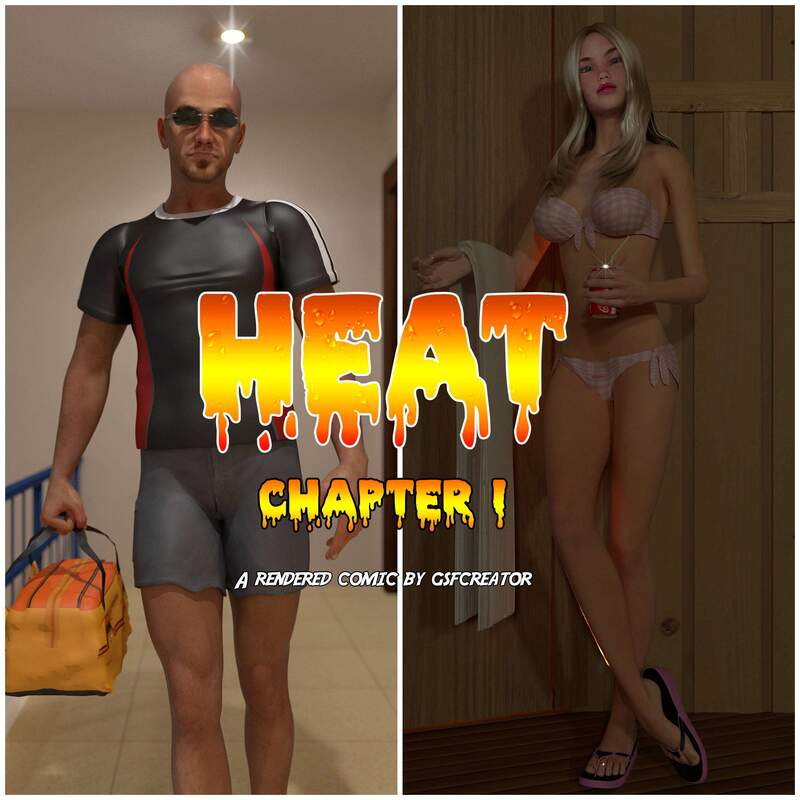
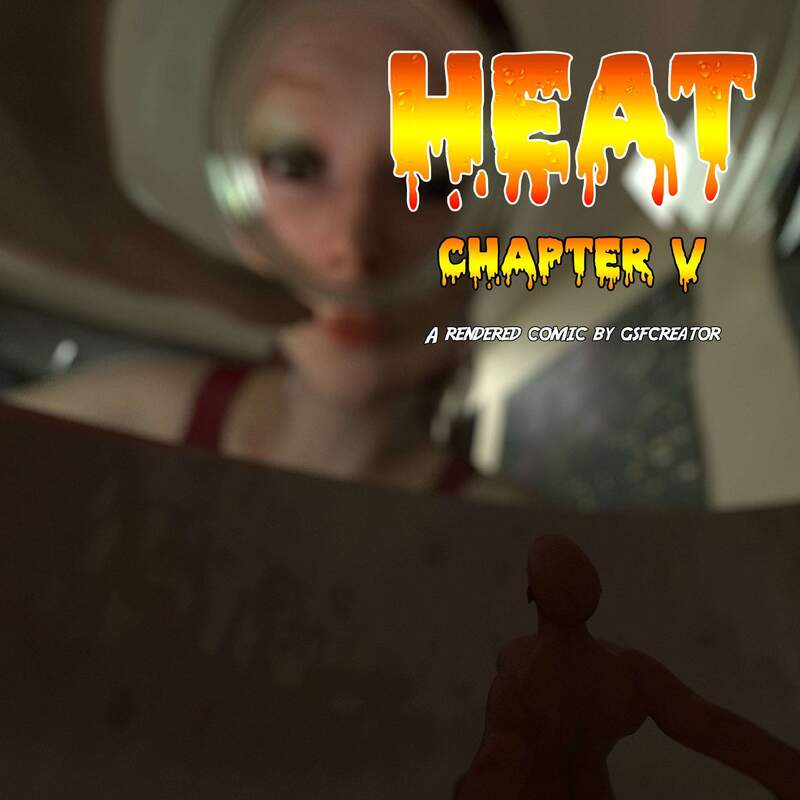
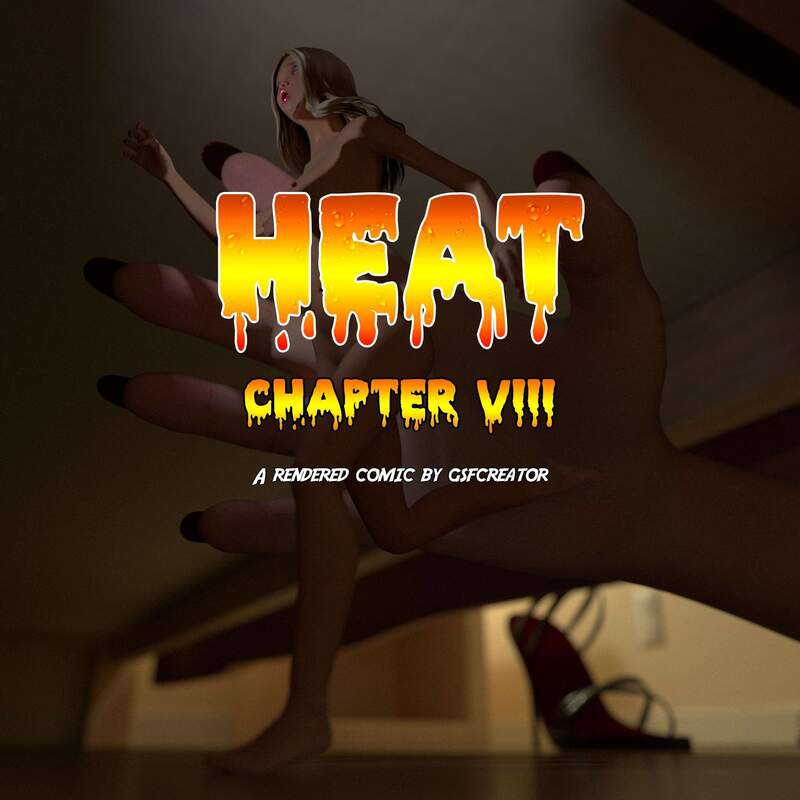
The artwork balances clean, expressive line work with dramatic perspective shifts that emphasize scale. Panels often frame Yari from low angles, making the cityscape and surrounding characters appear minuscule in comparison. The seamless use of forced perspective and meticulous shading lends a sense of realism to the fantastical size changes, while occasional splashes of saturated color highlight the emotional intensity of each encounter.
Thematic Elements
- Power dynamics: As Yari’s stature expands, the balance of control tilts sharply. Everyday interactions—such as handing over a notebook or a simple wave—are transformed into acts that feel both intimate and overwhelming.
- Objectification and vulnerability: The giantess motif is used to explore how the characters grapple with being reduced to “tiny” participants in a world dominated by a single overpowering presence.
- Isolation versus connection: Despite her enormous size, Yari's emotional isolation deepens, underscoring the paradox of physical dominance paired with profound loneliness.
- Visual fetishism: The comic intentionally draws the reader’s eye to the contrast between Yari’s towering form and the delicate details of the smaller figures, creating a subtle, stylized allure that resonates with fans of the giantess genre.
Atmosphere and Tone
The tone oscillates between eerie calm and sudden, pulse‑quickening tension. Quiet moments—such as Yari’s slow, deliberate steps through a hallway—are juxtaposed with frantic scenes where the remaining friends scramble to navigate spaces that have become hazardous. The absence of spoken dialogue heightens the visual storytelling, letting the reader infer emotions through body language, facial expressions, and the sheer scale of the panels.