AlavGTS - Kali's Competitive Workplace
Kali’s Competitive Workplace – A Giantess‑Fetish Comic
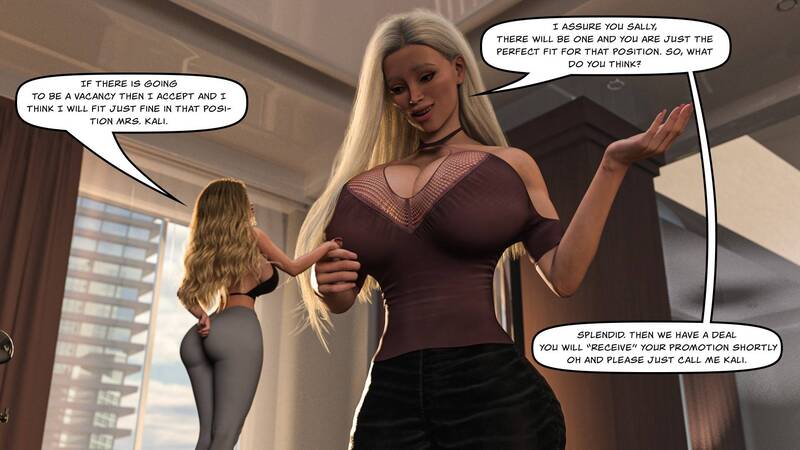
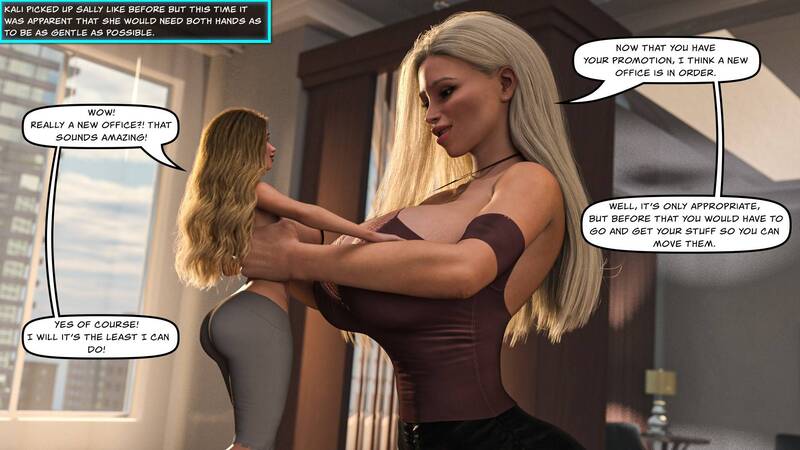
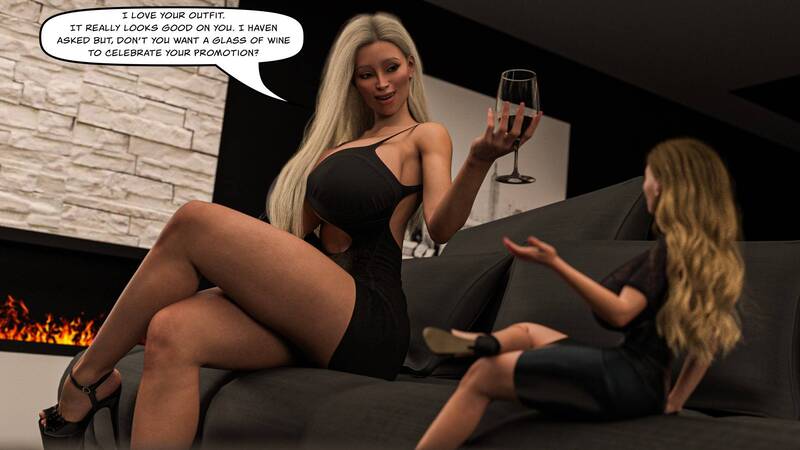
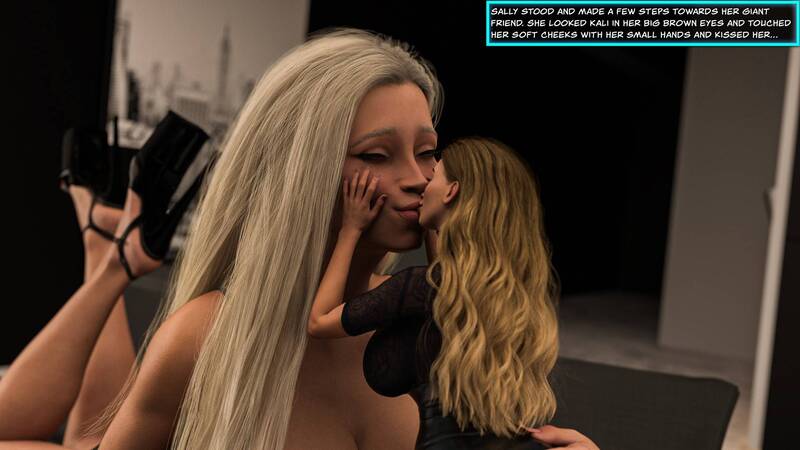
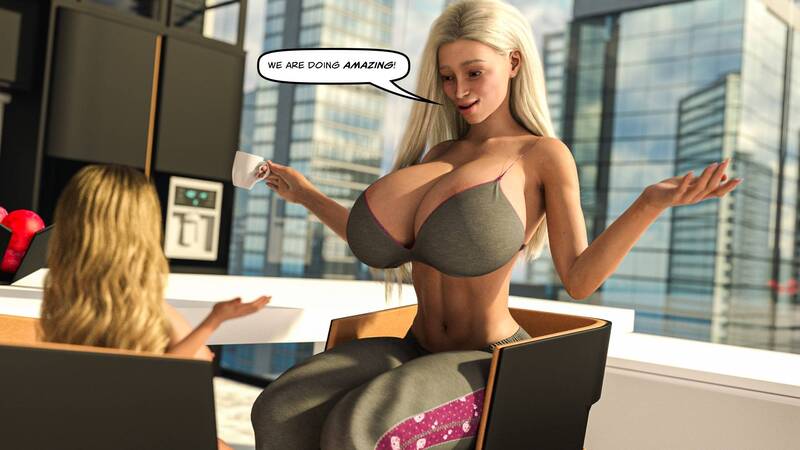
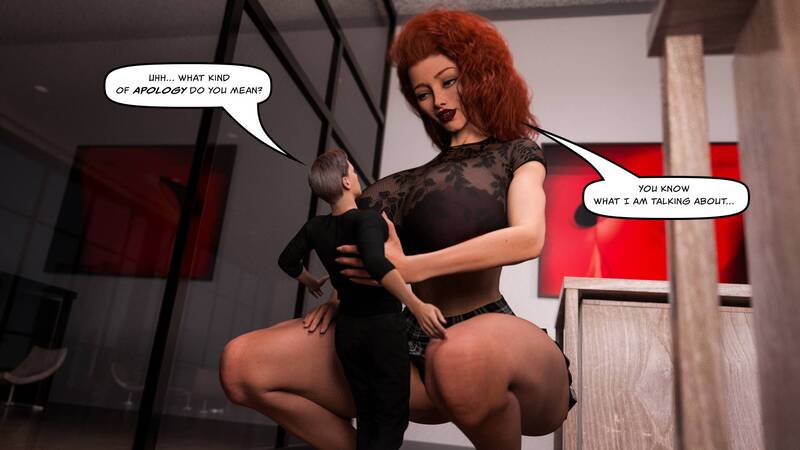
Set in a sleek, glass‑enclosed office tower, Kali’s Competitive Workplace follows a towering executive whose extraordinary height becomes both a symbol of corporate power and a core element of the giantess fetish. The story unfolds without spoken dialogue, relying on striking visuals, body language, and meticulous panel composition to convey tension, rivalry, and unspoken desire.[4]
Visual Style
- High‑contrast line work that emphasizes the vertical scale between Kali and her coworkers.
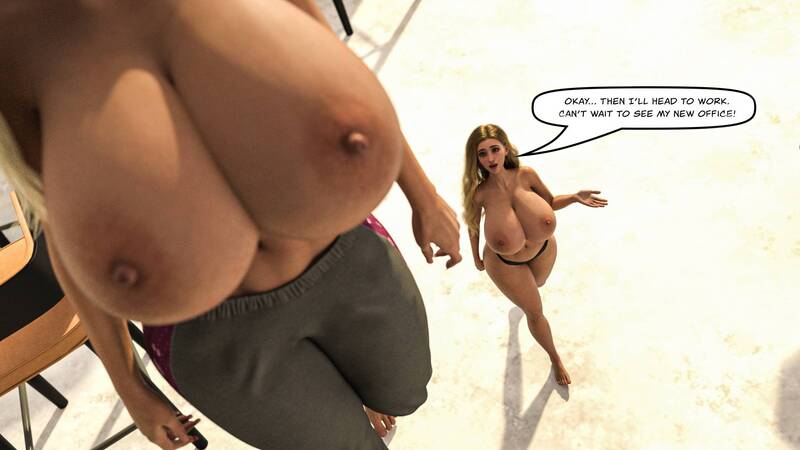
- Low‑angle shots that make Kali dominate the frame, while the surrounding desks, glass walls, and machinery appear miniature.
- Muted corporate colour palettes punctuated by bold splashes of red and gold whenever Kali asserts authority.
- Close‑up panels capture the sway of her long hair, the ripple of her high‑heeled shoes, and the subtle flex of her muscles as she moves through the office floor.
Thematic Elements
The narrative explores the psychological interplay of authority and desire. Kali’s immense stature creates awe; colleagues are simultaneously intimidated and fascinated, embodying the core of the giantess fetish – a blend of vulnerability, reverence, and power. By omitting dialogue, the comic invites readers to read the scene through visual cues alone, immersing them in the atmospheric tension of a workplace where size equals status.[4]
Key Scenes
- Kali strides across the polished floor, her towering silhouette casting long shadows over stunned employees.
- A tense boardroom showdown where the glass table bends under Kali’s weight, highlighting the physical and metaphorical pressure she exerts.
- A quiet hallway moment where a junior staff member’s gaze follows the ripple of Kali’s heel, emphasizing the intoxicating mix of fear and admiration.
Audience Appeal
Fans of high‑stakes corporate drama will appreciate the meticulous world‑building, while enthusiasts of the giantess fetish will find the visual emphasis on size differentials and power dynamics especially compelling. The absence of dialogue encourages deep visual engagement, making each panel a study in dominance, elegance, and the subtle eroticism of towering presence.[4]